
Recent LinkedIn Breach: Why This Is a Business Problem
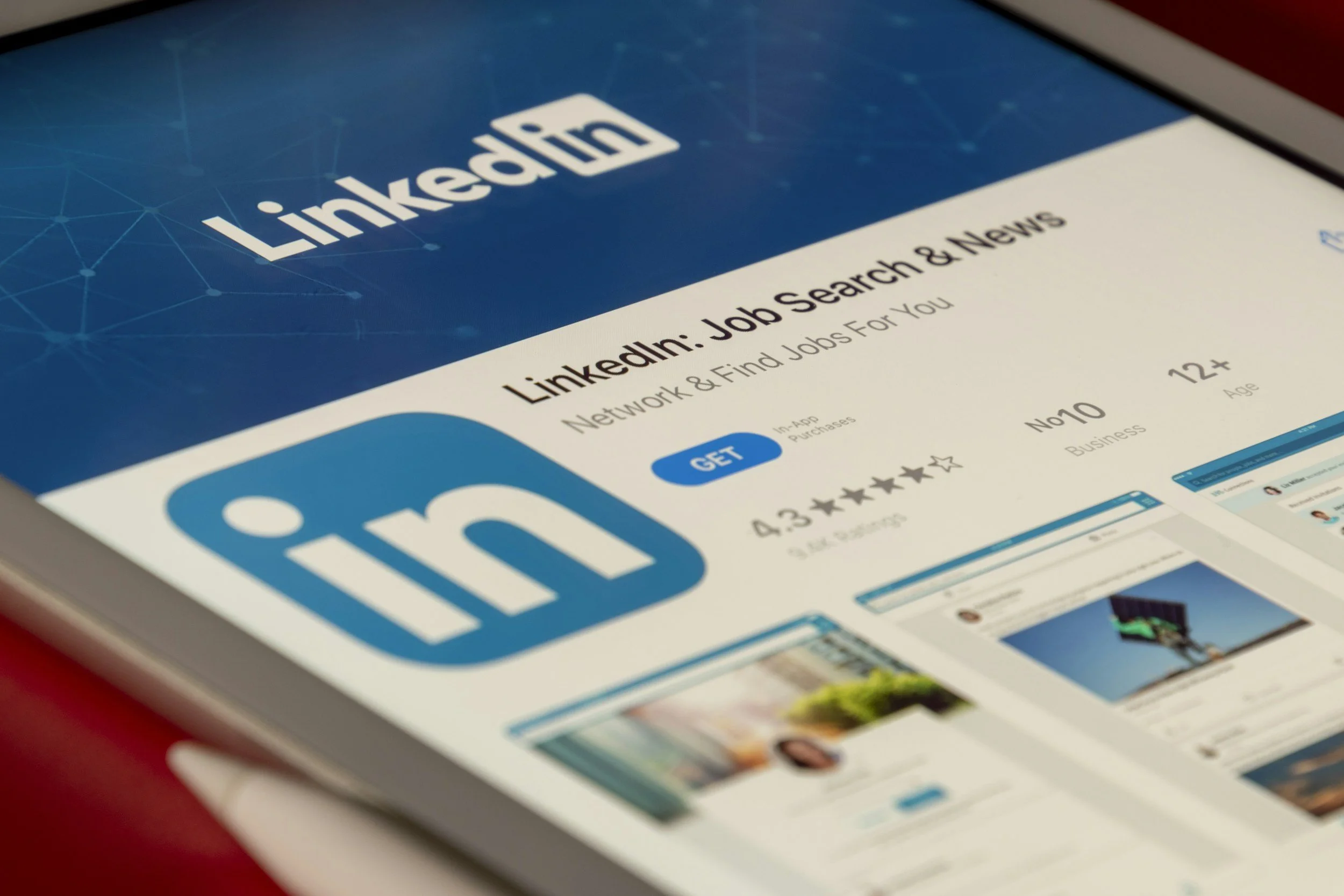
On December 26, 2025, cybersecurity researchers confirmed a major LinkedIn-related breach and a surge in coordinated account-takeover activity affecting users worldwide. While LinkedIn remains operational, the incident exposed how vulnerable professional identity platforms have become—and how easily they can be weaponized against organizations.
LinkedIn Is a High-Value Target for Cybercriminals
LinkedIn is no longer just a professional networking site. For businesses, it is a sales channel, recruiting pipeline, marketing platform, and trust signal all in one. That also makes it one of the most attractive targets for attackers.
Today’s cybercriminals aren’t breaking in with brute force alone. They are exploiting trust. Instead of obvious spam, attacks are increasingly disguised as legitimate professional interactions—job inquiries, recruiting messages, partnership proposals, and even routine security notifications. Once a single account is compromised, attackers can move laterally, targeting coworkers, clients, vendors, and leadership.
What used to be “just social media” is now a business-critical system.
Red Flags to Watch
Several warning signs that may indicate an ongoing hack attempt:
Unexpected messages about password resets
Job offers or recruiter messages that look too good to be true
Connection requests from unfamiliar sources with incomplete profiles
Unusual login notifications or unfamiliar devices accessing your account
Why This Matters Now
Cybercriminals are not only after personal data — they recognize that professionals often hold or can access valuable corporate or network information. Additionally, a compromised LinkedIn account can be used to target contacts, suppliers, clients, or colleagues with phishing campaigns, increasing the scale and severity of damage.
How LinkedIn Accounts Are Being Compromised
Modern LinkedIn attacks rely on a blend of social engineering and technical abuse rather than obvious hacking alone. Cybercriminals commonly use fake job or recruiting messages offering high-paying roles, consulting contracts, or executive opportunities to lure users into clicking links, downloading files, or “verifying” their identity. They also send malicious connection requests from highly realistic profiles that mirror a target’s industry, location, or mutual connections, then follow up with messages designed to harvest credentials or deliver malware.
Another frequent tactic involves password reset or security alerts claiming suspicious activity and urging immediate action, which often lead to convincing login pages that steal credentials. Once an account is compromised, attackers impersonate the user by messaging contacts in their name, sending phishing links or fake invoices, harvesting additional data from conversations, and attempting access to other systems using reused passwords. This is not random spam—it is targeted, professional, and designed to look routine.
What This Means for You and Your Business
1. Treat LinkedIn Like a Corporate Asset
After the December 2025 breach, LinkedIn should no longer be considered “just social media.” It is now a security-relevant platform that requires:
Account policies
Risk management
Ongoing monitoring
If it represents your business, it must be protected like your email or CRM.
2. Lock Down Accounts Immediately
At a minimum:
Enable multi-factor authentication (MFA) on all accounts
Enforce unique, strong passwords
Review active sessions and logins for unfamiliar devices or locations
Remove old employees’ access and verify executive accounts
These steps alone block most account-takeover attacks.
3. Train Your Team to Spot Impersonation
Your employees are the primary target. They should be trained to question:
“Urgent” requests for documents, payments, or access
Unexpected job offers or partnership inquiries
Messages asking them to click links or verify credentials
If it seems slightly off—even from someone they “know”—they should verify through another channel.
4. Monitor for Brand Abuse and Fake Profiles
Following the breach, many organizations are discovering:
Duplicate profiles using executive names
Fake recruiters posing as company representatives
Compromised accounts sending fraudulent messages
Regular brand and executive monitoring can prevent reputational and financial damage.
5. Prepare for Identity-Based Cyber Risk
This event reinforces a growing reality:
Cybersecurity is no longer just about systems. It’s about people and digital identity.
Organizations must account for:
Social engineering
Impersonation
Business email compromise (BEC)
Platform-based trust abuse
A single compromised professional identity can now open the door to an entire enterprise.
This Is a Business Risk, Not Just a Personal One
The December 2025 LinkedIn breach marks a turning point in how cyberattacks target businesses. Professional identity is now a primary attack vector. If your organization relies on LinkedIn for sales, hiring, partnerships, or leadership visibility, this incident is a clear warning:
Protect identities, educate your people, and treat every trusted platform as part of your security perimeter…before someone else uses it against you.
Start with cybersecurity training for your employees. Right away. If you’re waiting for a yearly training session, it may already be too late. On-demand cybersecurity tools are available for less than you may think. Don’t feel ready to invest today? Start with a free training guide to get started. A little education can go a long way in preventing disastrous attacks on your business.